
The Home Passed Inspection. Can the Mortgage Still Fall Apart?

The inspection is done. The report looks good. It’s tempting to think the hardest part is over, but an inspection checks the home’s condition, not whether every requirement for your mortgage and closing has been met.
Deal Risk Check
Use this checklist to spot items that may still need attention. Mark an item complete only when it has been confirmed.
What Changed
A home purchase moves through several separate checks. They can overlap, and different professionals may handle them, but each answers a different question. Passing one does not automatically clear the others.
Inspection: What condition is the home in? An inspector evaluates the property’s visible condition and identifies concerns for the buyer. The report can inform repair requests, negotiations, or a decision under the contract’s inspection terms. It does not approve the mortgage.
Appraisal: What is the home worth? The appraisal estimates value for the lender’s collateral review. If it comes in below the contract price, the buyer may need to cover some or all of the gap, negotiate a change, or consider options allowed by the contract. An appraisal can also raise condition or marketability questions that a home inspection did not address.
Underwriting: Does the borrower and loan meet requirements? The lender verifies the buyer’s credit, income, assets, debts, and other information, as well as the property and loan terms. The CFPB’s home loan toolkit describes these checks as part of the mortgage process. Approval can still depend on documents or conditions that remain outstanding.
Title review: Can the seller transfer clear ownership? The title search looks for matters such as liens, ownership claims, easements, or other issues affecting transfer. A missing signature, unresolved lien, or probate complication may stall closing even when the buyer is fully qualified.
Final verification and closing preparation: Are the remaining details ready? The lender may refresh information about employment, credit, debts, and funds before closing. The transaction also needs the required insurance, property or association documents, verified funds, and closing paperwork.
Recent figures underline why a passed inspection should not be treated as a finish line. Freddie Mac reported that the average 30-year fixed mortgage rate was 7.32% for the week ending October 22, 2026, down from 7.40% the prior week. That national survey figure is not an individual borrower’s rate, but it is a reminder that financing remains a significant part of a home purchase. In NAR’s July 2026 REALTORS® Confidence Index, roughly 12% of transactions had a delayed settlement and about 6% of contracts were terminated in the surveyed period; financing and appraisal issues were among the factors. These are survey figures, not a forecast for any one buyer. See Freddie Mac’s PMMS and NAR’s research and statistics.
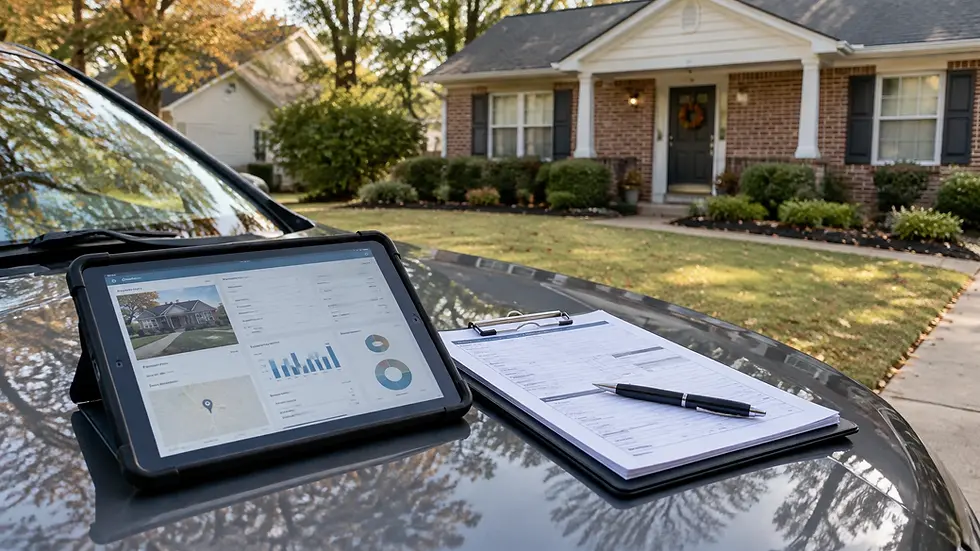
There is also a timing consideration for some appraisals. UAD 3.6, the updated appraisal reporting standard, takes effect November 2, 2026 for appraisal reports submitted to Fannie Mae and Freddie Mac. A temporary exception path may be available in some circumstances, but it is not automatic. If an appraisal is ordered or submitted near that date, ask the lender whether its process and appraisal provider are ready for the applicable format. A needed correction or resubmission can put pressure on a closing schedule. Review Fannie Mae’s UAD 3.6 information and the internal overview of UAD 3.6 and the November 2 appraisal transition.
Why It Matters
A delay can affect more than moving plans. It may require rescheduling movers, temporary housing, storage, or time off work. If a rate lock expires, an extension or revised terms may be relevant; ask the lender what applies to your loan rather than assuming a delay will automatically change your rate. Freddie Mac’s homebuying cost guide is a useful reminder to plan for costs beyond the down payment.
Common late-stage issues include:
New debt or a large financed purchase. A car loan or furniture purchase can change monthly obligations and the debt-to-income calculation, potentially affecting approval.
Large deposits without documentation. The lender may need to verify the source of funds. Ask what documentation is required before moving money between accounts.
An employment or income change. A move from salary to commission, a job change, or a reduction in hours can require updated review.
Missing documents or late responses. Outstanding conditions can hold up underwriting and compress the time left to meet a contract deadline.
An appraisal below the purchase price. The buyer and seller need to address the gap using the contract terms and available options.
Title defects. Unreleased liens, boundary questions, probate issues, or missing ownership signatures can prevent a clean transfer.
Insurance or property eligibility problems. Coverage may be difficult or expensive to obtain for certain properties, including some coastal or older homes. A flood-zone determination, condo project review, or other eligibility question can also require additional work.
For buyers, the practical lesson is simple: treat inspection, appraisal, underwriting, title, and closing as separate tracks. If you want help identifying the mortgage-related steps to clarify early, Talk to the Expert.
Example Scenario
Consider Priya, an illustrative buyer purchasing a condo in the Tampa area. In week one, her inspection report comes back clean. She assumes the transaction is on track and orders furniture using a store financing plan.
In week three, the lender’s final review identifies the new monthly debt. Priya supplies updated information, and the lender reassesses her finances. At the same time, the condo association’s documents are still being gathered for the project review. The loan team cannot finish that property review until the requested materials arrive.
In this example, the association-document delay moves the scheduled closing by seven calendar days. The exact impact of a delay depends on the contract, lender, loan, and rate-lock terms; a fee or rate change is not automatic. But even a one-week shift can disrupt movers and create uncertainty. The purchase on credit added a second issue just when the file needed fewer surprises.
Priya could have reduced the risk by postponing the furniture purchase until after closing, asking the lender before making any credit decision, and confirming early who would obtain the condo documents and by what date. A clean inspection was good news, but it did not resolve the loan or association review.

Tips
Keep the remaining steps visible and act before a small delay becomes a closing problem:
Pause new credit and financed purchases from application through closing. Ask the lender before taking on any new obligation.
Document large deposits and transfers. Ask your lender what counts as a deposit requiring explanation, and keep records showing where the funds came from.
Tell the lender about a job or income change before it happens. Do not assume that a new role or pay structure will be treated like the old one.
Order insurance quotes in week one. Confirm the coverage and cost for the specific property, and ask whether separate flood coverage may be required.
Request condo or HOA documents early. Confirm who is responsible for obtaining them, what the review requires, and the expected delivery date.
Keep a shared open-items list with each task, the person responsible, the due date, and its status.
Respond to lender requests the same day when possible. If you need time to obtain a document, say so and agree on a realistic delivery date.
Ask about appraisal timing and format. If the appraisal lands near November 2, 2026, ask the lender about UAD 3.6 readiness and any applicable submission or exception process.
Confirm the appraisal result and contract options. If value is short, contact your real estate professional and lender promptly before making decisions about cash, renegotiation, or deadlines.
Ask what “clear to close” means for your file. Confirm whether any final employment, asset, insurance, title, or document checks remain.
Review the Closing Disclosure and cash-to-close instructions carefully. Verify wiring instructions through a trusted phone number, never rely only on a last-minute email change.
For a practical process overview, see what happens after your offer is accepted and mortgage deal-killers that can be prevented before closing.
Bottom Line
A passed inspection is an important milestone, not a mortgage guarantee. The inspection tells you about the home’s condition; the appraisal, underwriting, title review, and final verification each answer different questions before the purchase can close. Keep your lender informed, avoid financial surprises, and track every open item to a person and a deadline.
If you are preparing to buy, Get Mortgage Ready by asking early what documents, property reviews, and final checks your loan will require.


Comments